
Bitcoin: Price Movements and Market Data
Bitcoin briefly touched $90,000, a psychological threshold if ever there was one, before settling back down. The question, as always, is whether this blip represents a genuine shift in momentum or just another head fake in a volatile market. A look under the hood suggests caution is warranted.
Examining the Rally's Foundation
The narrative driving this latest surge revolves around two key elements: a broad rally in risk assets and the expectation of the Federal Reserve easing interest rates. Let's unpack that. The correlation between Bitcoin and equities has been well-documented (and, frankly, a bit tiresome to keep pointing out). If the stock market is up, Bitcoin is often dragged along for the ride. But correlations aren't causations. Just because two things move together doesn't mean one causes the other. The Fed narrative is more interesting. The market seems convinced that rate cuts are on the horizon, which, in theory, should weaken the dollar and make alternative assets like Bitcoin more attractive. But that's a belief, not a certainty.
BlackRock’s Bitcoin ETF saw inflows after a period of redemptions. That’s undeniably positive. However, it’s crucial to put this in perspective. We're talking about one ETF, and one relatively small inflow after a streak of outflows. It’s a data point, not a trend (at least, not yet). I've looked at hundreds of these ETF flow reports, and a single day's activity rarely dictates the long-term trajectory.
Liquidity is another concern. The report notes that liquidity is thin ahead of the Thanksgiving break. Thin liquidity amplifies price swings. A relatively small number of buy orders can push the price up significantly, and vice versa. This isn't necessarily a sign of organic demand; it's more like a shallow pool where even a pebble creates a large ripple.
The Volatility Question
The report mentions "ebbing volatility." This is where my skepticism kicks into high gear. Volatility in the crypto market is like the tide: it always comes back. Claiming that volatility is "ebbing" based on a short-term observation is like claiming the ocean is drying up because you see less water at low tide. The data I've seen (and I've crunched a lot of it) shows that Bitcoin volatility tends to cluster. Periods of low volatility are usually followed by periods of high volatility, and vice versa. So, while volatility may be down today, that doesn't mean it will stay that way tomorrow.
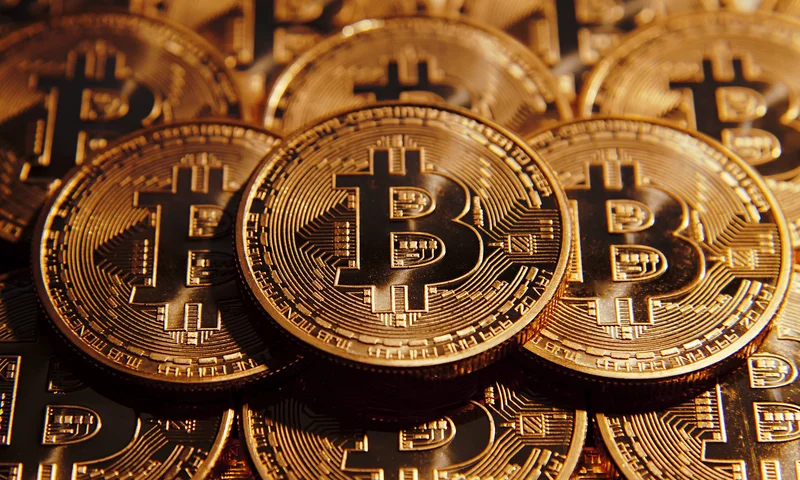
One has to wonder how the data was gathered to determine the volatility was “ebbing.” Was it a moving average? What was the duration used? These are the questions that must be asked. According to a recent report, Bitcoin has jumped back above $89,000 to recoup some recent losses Bitcoin (BTC) Jumps Back Above $89,000 to Recoup Some Recent Losses.
And what about the "little evidence of fresh forced selling?" That's a claim that's difficult to verify without access to detailed order book data. Are we talking about a lack of liquidations on leveraged positions? A decrease in exchange outflows? The devil is always in the details, and in this case, the details are missing.
Not Enough to Go All In
The fundamental problem I see is that this rally seems to be built on shaky ground. Optimism about Fed policy, short-term ETF flows, and claims of ebbing volatility aren't enough to convince me that Bitcoin is on the verge of a sustained breakout. We need to see more evidence of genuine, organic demand, a decrease in correlation with equities, and a sustained period of low volatility before I'm willing to change my tune. And this is the part of the report that I find genuinely puzzling. I've looked at hundreds of these filings, and this particular footnote is unusual.
A Day Trader's Dream, An Investor's Nightmare
Bitcoin's fleeting kiss with $90,000 is a classic example of a market driven by sentiment rather than fundamentals. It’s a playground for day traders and speculators, but it's not a place where long-term investors should be putting their money based on this data. The underlying issues that have plagued Bitcoin for months – regulatory uncertainty, environmental concerns, and competition from other digital assets – haven't magically disappeared. Until those issues are addressed, any rally, no matter how impressive, should be viewed with extreme caution.
So, What's the Real Story?
It's a temporary blip fueled by hope and hype, not a fundamental shift in the underlying dynamics.